By Avi Strugo, Napa Valley Real Estate Specialist
Selling a vineyard property in Napa Valley is not like selling a home. The buyers are different, the due diligence is different, and the variables that determine value — AVA designation, vine age and varietal, water rights, entitlements, Williamson Act status, winery use permits — have almost no equivalent in conventional residential real estate.
If you approach the process the way you would a standard listing, you will almost certainly leave money on the table, and you may encounter delays that could have been avoided with earlier preparation.
I have worked with vineyard estate sellers across the valley, from Rutherford and Oakville on the valley floor to Howell Mountain and the Calistoga foothills. The sellers who achieve the strongest outcomes share one characteristic: they prepare early, they organize their documentation before a buyer ever asks for it, and they understand what drives the premium on their specific property — not vineyard properties in general. Here is what that preparation actually looks like.
Start with Your Entitlements — Every Document, Every Permit
The first thing a sophisticated vineyard buyer will want to examine is the entitlement file. This includes your use permit, all permit modifications over the years, any CEQA documentation and mitigation programs, building and grading permits, septic and wastewater permits, fire approvals, and any recorded conditions.
If your property has a winery use permit, the buyer will scrutinize exactly what it allows: annual production limits, daily and annual visitation caps, whether marketing events are permitted and how many, and whether those entitlements are tied to the land or to the operator.
That last distinction matters more than sellers often realize. Most winery permits in Napa run with the land and transfer at sale, but some include operator-specific conditions that complicate conveyance. If you do not know which category your permit falls into, now is the time to find out — not when a buyer raises it during escrow.
Any nonconforming uses should be identified and, ideally, resolved before you list. Properties with well-documented, robust entitlements consistently command premiums in this market. Properties with gaps in the permit file, unresolved conditions, or unclear compliance history narrow the buyer pool and create negotiating leverage for the other side.
Spend time with your permit file. Compile everything, organize it chronologically, and be ready to present it with confidence.
If your property has a winery use permit, the buyer will scrutinize exactly what it allows: annual production limits, daily and annual visitation caps, whether marketing events are permitted and how many, and whether those entitlements are tied to the land or to the operator.
That last distinction matters more than sellers often realize. Most winery permits in Napa run with the land and transfer at sale, but some include operator-specific conditions that complicate conveyance. If you do not know which category your permit falls into, now is the time to find out — not when a buyer raises it during escrow.
Any nonconforming uses should be identified and, ideally, resolved before you list. Properties with well-documented, robust entitlements consistently command premiums in this market. Properties with gaps in the permit file, unresolved conditions, or unclear compliance history narrow the buyer pool and create negotiating leverage for the other side.
Spend time with your permit file. Compile everything, organize it chronologically, and be ready to present it with confidence.
Know Your Water — It Is Not a Detail, It Is a Value Driver
In Napa Valley vineyard real estate, water is as much a value driver as the vines themselves. California's drought cycles and evolving water regulations have elevated buyer scrutiny around water rights, well capacity, and storage infrastructure to a degree that sellers cannot afford to underestimate.
Before listing, you should have a clear, current picture of your water sources: the wells on the property, their tested yield and water quality, your storage capacity, any supplemental or secondary sources, and your rights relative to neighboring properties. If your property sits within the Napa River watershed and your vineyard is five acres or larger, it is subject to the Region 2 Water Board's Vineyard General Permit, which regulates soil erosion performance standards and discharge of nutrients and pesticides.
Confirm that your compliance is current and that your fee enrollment with the Napa County Farm Bureau is up to date. Buyers will ask, and having clean records takes this off the table as a negotiating point.
Good quality, high-production, and legally secure water infrastructure adds direct, quantifiable value to a Napa Valley vineyard estate. Document it thoroughly.
Before listing, you should have a clear, current picture of your water sources: the wells on the property, their tested yield and water quality, your storage capacity, any supplemental or secondary sources, and your rights relative to neighboring properties. If your property sits within the Napa River watershed and your vineyard is five acres or larger, it is subject to the Region 2 Water Board's Vineyard General Permit, which regulates soil erosion performance standards and discharge of nutrients and pesticides.
Confirm that your compliance is current and that your fee enrollment with the Napa County Farm Bureau is up to date. Buyers will ask, and having clean records takes this off the table as a negotiating point.
Good quality, high-production, and legally secure water infrastructure adds direct, quantifiable value to a Napa Valley vineyard estate. Document it thoroughly.
Understand Your Williamson Act and Agricultural Preserve Status
If your property is enrolled in a Williamson Act contract — and most active vineyard properties in Napa County are — that contract affects how buyers will assess the acquisition, both for property tax purposes and for future development potential.
Williamson Act contracts are assignable and continue under the same terms after a sale, which is generally a neutral-to-positive feature for a buyer intending to continue agricultural operations. It becomes a complication only when a buyer intends non-agricultural development, as cancellation is a formal, lengthy, and sometimes costly process.
Verify whether your parcel is within the Napa County Agricultural Preserve and confirm your General Plan land-use designation. Review any recorded conservation easements and understand how they interact with your property's development envelope.
This documentation should be part of your listing package from day one — not something a buyer has to chase down during due diligence.
Williamson Act contracts are assignable and continue under the same terms after a sale, which is generally a neutral-to-positive feature for a buyer intending to continue agricultural operations. It becomes a complication only when a buyer intends non-agricultural development, as cancellation is a formal, lengthy, and sometimes costly process.
Verify whether your parcel is within the Napa County Agricultural Preserve and confirm your General Plan land-use designation. Review any recorded conservation easements and understand how they interact with your property's development envelope.
This documentation should be part of your listing package from day one — not something a buyer has to chase down during due diligence.
Present the Vines at Their Best
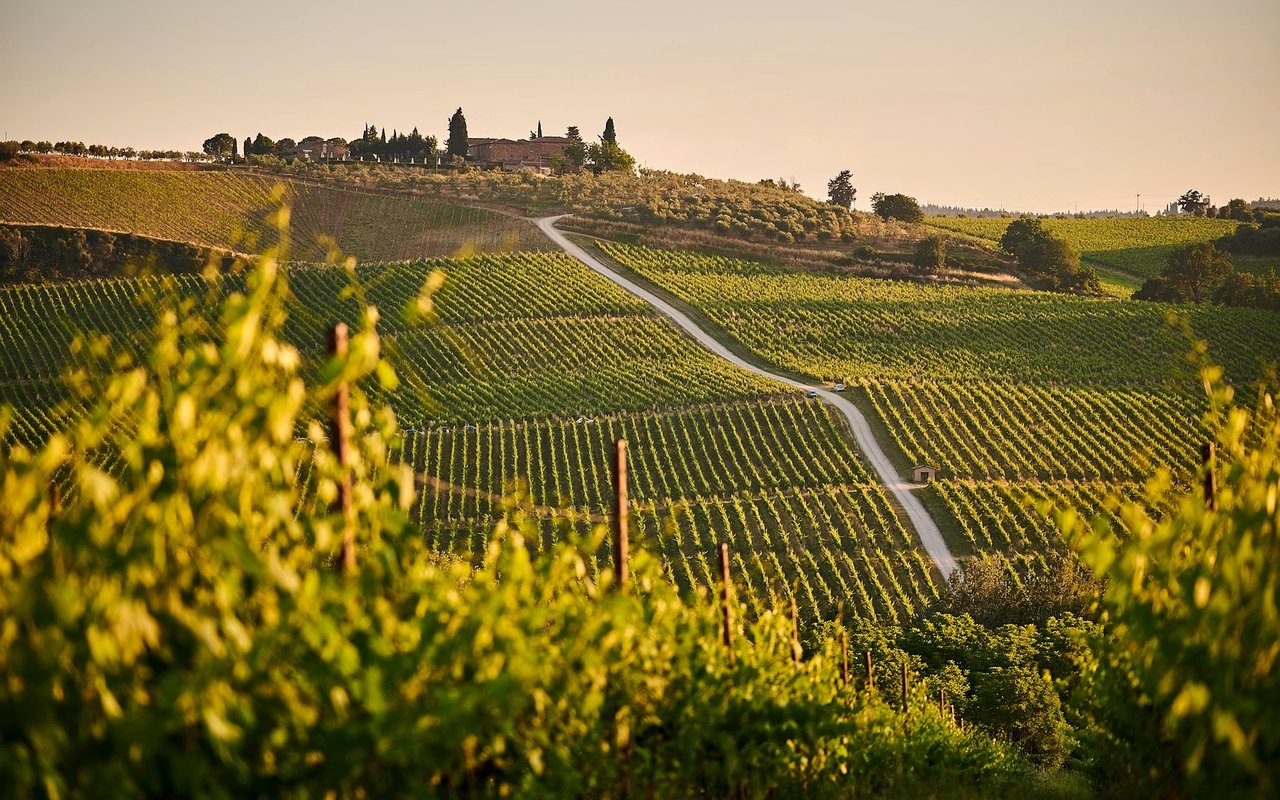
The physical condition of your vineyard has an obvious impact on value, but it also shapes the first impression a buyer forms during a property tour. Vine health, trellis condition, irrigation infrastructure, and the general visual state of your rows all speak to how the property has been managed.
Buyers paying for premium Napa Valley vineyard land are buying into a reputation — the AVA designation, the fruit profile, the production history — and they read the physical presentation as evidence of whether that reputation has been maintained.
Before listing, walk every row with your vineyard manager. Address deferred maintenance in the trellis system. Confirm that irrigation components are functional and documented. If you have a grape purchase contract with a recognized Napa winery, that agreement is an asset worth highlighting — it demonstrates that a respected buyer has already validated the quality of your fruit at a market price.
Compile your yield history by varietal and block, alongside any soil reports, vine age records, and rootstock documentation. Buyers doing serious due diligence will want this information, and having it organized in advance reflects well on the ownership history.
Buyers paying for premium Napa Valley vineyard land are buying into a reputation — the AVA designation, the fruit profile, the production history — and they read the physical presentation as evidence of whether that reputation has been maintained.
Before listing, walk every row with your vineyard manager. Address deferred maintenance in the trellis system. Confirm that irrigation components are functional and documented. If you have a grape purchase contract with a recognized Napa winery, that agreement is an asset worth highlighting — it demonstrates that a respected buyer has already validated the quality of your fruit at a market price.
Compile your yield history by varietal and block, alongside any soil reports, vine age records, and rootstock documentation. Buyers doing serious due diligence will want this information, and having it organized in advance reflects well on the ownership history.
Timing the Market and Choosing Your Window
Vineyard properties in Napa County are currently trading in a buyer's market within the vineyard and winery segment — meaning inventory has grown relative to active buyers, and sellers who are not differentiated on preparation and documentation are competing on price alone. This does not mean exceptional properties are sitting unsold. It means the bar for what constitutes a well-prepared listing has risen.
Harvest season, roughly September through November, is a meaningful window for listing an operational vineyard. Buyers can see the vines at peak production, evaluate fruit quality firsthand, and develop a visceral understanding of what ownership would feel like at the most rewarding time of year.
Spring, when the valley greens up and bud break signals the new growing season, is a close second. Winter — Napa's "Cabernet Season" — can work for the right buyer profile, particularly those who already understand the property and simply need time and fewer competing listings to make a decision.
The right listing window depends on your property's particular story. An estate with a strong residential component may benefit from spring. A working vineyard with active fruit contracts and production history may show best in fall. I discuss this with each client based on their specific acreage and goals.
Harvest season, roughly September through November, is a meaningful window for listing an operational vineyard. Buyers can see the vines at peak production, evaluate fruit quality firsthand, and develop a visceral understanding of what ownership would feel like at the most rewarding time of year.
Spring, when the valley greens up and bud break signals the new growing season, is a close second. Winter — Napa's "Cabernet Season" — can work for the right buyer profile, particularly those who already understand the property and simply need time and fewer competing listings to make a decision.
The right listing window depends on your property's particular story. An estate with a strong residential component may benefit from spring. A working vineyard with active fruit contracts and production history may show best in fall. I discuss this with each client based on their specific acreage and goals.
Off-Market Considerations and the Buyer Conversation
A significant number of Napa Valley vineyard transactions, particularly at the estate level, happen before a property ever reaches public listing. Sellers who are open to that process — who understand that the right buyer may already be in my network or reachable through the relationships I maintain in this market — often achieve outcomes that a public listing alone cannot produce.
Privacy, timeline control, and reduced carrying costs are three reasons sellers pursue this path, and for the right property, it is worth a serious conversation.
Privacy, timeline control, and reduced carrying costs are three reasons sellers pursue this path, and for the right property, it is worth a serious conversation.
Frequently Asked Questions
Q: How far in advance should I start preparing my vineyard property for sale?
Twelve to eighteen months is a realistic preparation horizon for a well-documented vineyard estate. Permit file organization, water documentation, vine health assessment, and Williamson Act review all take time — and resolving any gaps takes longer still. Sellers who call me two weeks before they want to list consistently face delays that earlier preparation would have eliminated.
Q: What is the single most important document to have ready for a vineyard sale?
The use permit file, if a winery or tasting use exists on the property. Sophisticated buyers treat permit documentation as foundational — its completeness or lack thereof shapes every other part of the negotiation. If you have a winery use permit and cannot produce the complete permit history, that is the first thing to address.
Q: Does my AVA designation affect the sale price?
Meaningfully, yes. Rutherford, Oakville, Stags Leap District, and Howell Mountain carry recognition and price premiums that appellations with less established reputations do not. The AVA designation affects not only how buyers value the land but also who is in the buyer pool — serious vintners and collectors target specific AVAs with intention.
Q: Should I dissolve my grape purchase contract before selling, or can it transfer?
That depends on the terms of the contract and the buyer's plans. An active, well-priced grape purchase contract with a respected Napa Valley winery can be a selling point rather than a complication. I recommend reviewing the contract terms early and being prepared to speak to its transferability before you receive an offer.
Ready to Sell Your Napa Valley Vineyard Estate?
The preparation process for a vineyard sale is detailed, but each step builds toward a stronger outcome — for your timeline, your price, and the buyer's confidence in what they are acquiring. I bring specific experience with vineyard and estate sales across Napa Valley, and I am glad to walk through your property's specific situation before you commit to any timeline.
Visit avinapavalley.com to get in touch with Avi Strugo, your Napa Valley real estate specialist, and start the conversation on your terms.
Visit avinapavalley.com to get in touch with Avi Strugo, your Napa Valley real estate specialist, and start the conversation on your terms.