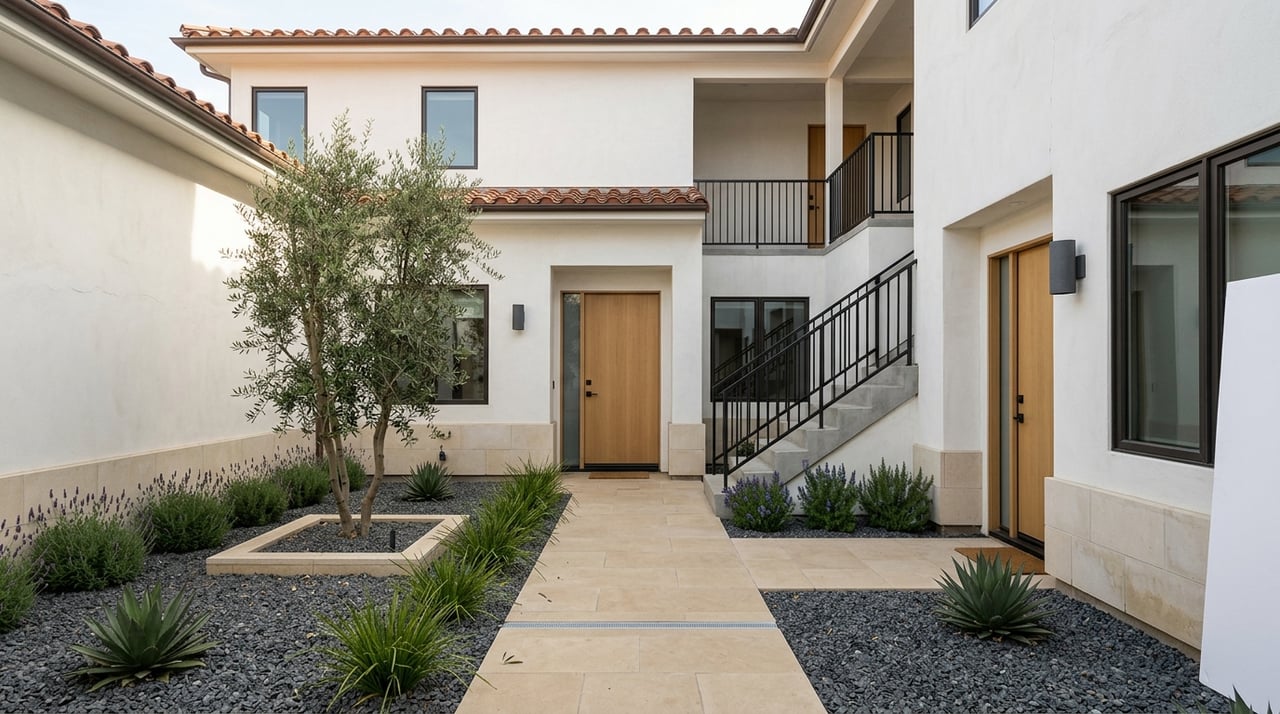
If you want a home base that lets you enjoy Napa without taking on a big yard, a downtown condo or townhome may be worth a close look. For many buyers, the appeal is simple: less exterior upkeep, more walkable access, and an easy lock-and-leave lifestyle in the heart of town. In this guide, you’ll get a practical look at what condo and townhome living in downtown Napa really feels like, what floor plans and fees may look like, and what to review before you buy. Let’s dive in.
Why Downtown Napa Appeals
Downtown Napa is a roughly 210-acre mixed-use district defined by the Napa River, Division and Third streets, Jefferson Street, and the area stretching east toward Oxbow Public Market and the former Copia site. The City of Napa describes it as a vibrant area with both residential and commercial buildings, which helps explain why it feels active yet livable. If you want to be close to dining, shopping, and everyday outings, this location checks a lot of boxes.
One of the biggest draws is walkability. From downtown, you can stroll to Oxbow Public Market, the seasonal Farmers Market, the Napa Valley Opera House, and a wide mix of shops and restaurants. The downtown area also includes more than 45 tasting rooms within easy walking distance of one another, with many offering walk-in access.
First Street Napa adds to that convenience with 41 tenants, including 12 dining-and-tasting tenants in the core downtown area. For buyers who value lifestyle as much as square footage, that kind of day-to-day access can be a major advantage. Instead of planning your evening around a drive, you can often just head out on foot.
What Homes Look Like
Downtown Napa condo and townhome inventory is typically limited, which means options may be narrower than in larger suburban markets. Current listing snapshots show just a handful of downtown condos and a very small number of townhomes at any one time. That low supply can make it important to move quickly when the right property comes up.
The good news is that layouts still vary. Current condo listings range from one-bedroom units as small as 567 square feet to larger two-bedroom and three-bedroom homes. In the current townhome snapshot, one example shows a 3-bedroom, 4-bath layout with 1,484 square feet and an attached two-car garage.
Representative downtown examples show the range of what you may find. One unit at 588 Main Street offers 2 bedrooms, 2 baths, 1,528 square feet, a secure lobby, elevators, underground parking, and a loft. A home at 1655 2nd Street includes a private primary suite on its own level, a private deck, shared courtyard grills, secure entry, and a low-maintenance design.
Another example at 1655 2nd Street shows how some townhome-style options can offer more flexibility, with 3 bedrooms, 3.5 baths, attached garage parking, guest parking, indoor laundry, flexible-use spaces, and a designated storage unit. Just outside the core downtown area, nearby projects like Firefly Lane and Pear Tree Terrace follow a similar pattern. These homes often combine multi-level living, garage parking, and HOA-managed exterior maintenance.
The Lifestyle Tradeoff
Condo and townhome living downtown is usually about choosing convenience over land. Compared with single-family homes elsewhere in Napa, these properties generally offer less private outdoor space and smaller lots. In exchange, you may gain a more central location and a lower-maintenance routine.
That tradeoff can make sense if you are right-sizing, buying a second home, or simply want an easier home base. You may not need a large yard if your priority is being close to downtown experiences and having less exterior upkeep to manage. For busy professionals and weekend users, that can be a very practical fit.
A downtown condo or townhome can also support a lock-and-leave lifestyle more easily than a larger detached home. Shared-building features, secure entries, and HOA-managed maintenance can simplify ownership. That does not mean no responsibility, but it often means fewer day-to-day exterior tasks.
Parking Matters Downtown
Parking is one of the most important practical questions to ask before buying in downtown Napa. The city says downtown includes three garages, several public lots, ample on-street parking, and permit parking in designated city-owned spaces. The current permit rate listed by the City of Napa is $30 per month.
At the same time, parking remains part of the downtown living conversation. The city is studying garage expansion options in 2026, which signals that demand and access are still active local issues. In other words, you should not assume parking will work the same way it does in a more suburban neighborhood.
This is why unit-specific parking details matter. Some properties include underground parking, attached garages, guest spaces, or dedicated storage. Before you buy, confirm exactly what comes with the home and what rules apply to residents, guests, and permit parking.
Understanding HOA Fees
If you buy a condo or townhome in a California common interest development, you automatically become a member of the homeowners association. The California Department of Real Estate explains that owners hold title to their unit or lot along with ownership interests or rights tied to common areas. The HOA also enforces the community’s rules through documents such as CC&Rs, bylaws, and board-adopted rules.
For many buyers, HOA dues are one of the biggest questions. In current downtown and near-downtown examples, dues range from $346 per month to $589 per month, depending on the building and amenity package. Sample listings show dues of $539 at 588 Main, $534 at 1655 2nd Street #318, $589 at 1655 2nd Street #315, $508 at Firefly Lane, and $346 at Pear Tree Terrace.
What those dues cover can vary. In current examples, dues may include items such as common areas, management, roof, trash, water, gas, sewer, and exterior maintenance. That is why it is important to look beyond the amount and understand the actual scope of coverage.
The California Department of Real Estate also notes that HOA budgets may include fixed costs, operating costs, reserves, administration, and contingency funds. Reserve funds are especially important because they may be used for major maintenance or replacement items such as painting, roofing, lighting, carpet, pool equipment, furniture, and paving. A lower monthly fee is not always better if the reserves are weak.
Due Diligence Before You Buy
The HOA packet deserves careful attention. Since dues and rules affect your ownership experience, you will want to review the governing documents, current budget, reserve funding, insurance coverage, and any rules tied to parking or use of common areas. This step can tell you a lot about both cost and lifestyle.
Special assessments are another issue to review closely. The California Department of Real Estate warns that buyers in converted subdivisions can face maintenance surprises and rising assessments after a developer’s obligations end. Even if a property looks polished today, the financial health of the HOA matters for the long term.
A smart review process usually includes asking whether the association is adequately funding reserves, whether there is a history of special assessments, and whether insurance and maintenance responsibilities are clearly defined. This is one area where detailed local guidance can save you from expensive surprises later. A careful review upfront helps you buy with more confidence.
Who This Lifestyle Fits Best
Downtown Napa condo and townhome living is not the right fit for every buyer, but it can be a strong match for certain goals. If you want to spend more time enjoying Napa and less time managing a property, this style of ownership may line up well with your needs. The same is true if you value walkability and easy access to downtown destinations.
This option often appeals to buyers who are downsizing from a larger home, looking for a second home, or seeking a simpler full-time residence. It can also work well if you prefer a modern, low-maintenance layout with features like secure entry, garage parking, elevators, private decks, or shared courtyards. The key is matching the property to the way you want to live.
If your top priority is a large lot, substantial private yard space, or more separation from neighbors, a single-family home elsewhere in Napa may be a better match. But if your priority is convenience, central access, and a more streamlined ownership experience, downtown condos and townhomes deserve serious consideration. The right choice depends on your daily rhythm, not just the floor plan.
Choosing between a downtown condo, a townhome, and a detached home is really about lifestyle design. You are weighing maintenance, mobility, parking, privacy, and proximity to the places you enjoy most. When you look at those factors together, the best fit usually becomes much clearer.
If you’re thinking about condo or townhome living in downtown Napa, working with someone who understands Napa’s lifestyle-driven neighborhoods can make the search much more focused. Avi Strugo brings a calm, local, detail-oriented approach to helping you evaluate fit, review the practical tradeoffs, and find the right home for the way you want to live.
FAQs
How walkable is downtown Napa for condo and townhome owners?
- Downtown Napa is highly walkable, with access to Oxbow Public Market, the seasonal Farmers Market, the Napa Valley Opera House, shops, restaurants, and more than 45 tasting rooms in the downtown area.
What do HOA fees cover in downtown Napa condos and townhomes?
- Coverage varies by association, but current examples show dues may cover common areas, management, roof, trash, water, gas, sewer, and exterior maintenance.
What condo and townhome sizes are available in downtown Napa?
- Current downtown listings show a range from one-bedroom condos as small as 567 square feet to larger two-bedroom and three-bedroom layouts, plus townhome-style homes around 1,484 square feet.
Is parking difficult for downtown Napa residents?
- Parking is more urban than suburban, with city garages, public lots, on-street parking, and permit spaces available, but parking remains an active local issue and should be reviewed property by property.
What should buyers review before buying a Napa condo or townhome?
- You should review the HOA packet, including the budget, reserve funding, insurance coverage, rules, parking details, common-area use policies, and any history of special assessments.